

WATER, SANITATION & HYGIENE
Every child deserves to grow up in a safe, clean, and healthy environment. Clean water, safe toilets, and good hygiene are not luxuries – they are the foundation for a child’s health, dignity, and future.
In many rural and underserved areas in the Chinese Mainland, children still face water, sanitation, and hygiene (WASH) challenges. Unsafe drinking water exposes them to diseases. Poor sanitation in schools and homes increases the risk of infections. Without hygiene awareness leads to preventable illnesses like diarrhea and pneumonia—two leading causes of death in children under five. These conditions harm children’s health, disrupt their education, and hold back their development.
World Vision’s WASH program protects vulnerable children by improving access to clean water, sanitation, and hygiene. Our approach is practical and impactful - we bring clean water and safe toilets closer to homes and schools, breaking down the barriers to these essential services.
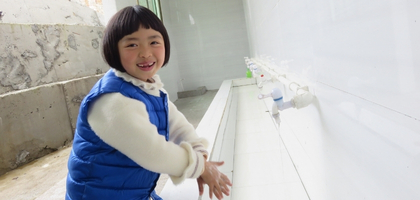
Access to Clean and Safe Water
We support communities develop and maintain safe water systems – so families have reliable, year-round access to clean drinking water.
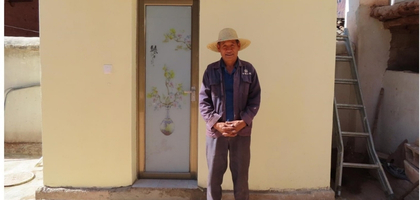
Improved Sanitation
We construct and upgrade toilets in schools and communities, with a focus on safety, dignity, and inclusion—especially for girls and children with disabilities.
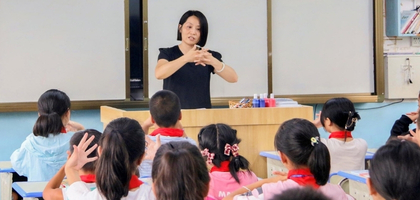
Hygiene Education
We teach children and caregivers the importance of handwashing and disease prevention through engaging, age-appropriate programs led by trained facilitators that promote lasting behavior change.
Handwashing with soap can reduce diarrhea diseases by 30% and respiratory infections by 20%.
U.S. Centers for Disease Control and Prevention
Why It Matters
Clean water, safe toilets, and good hygiene are essential to protect children's health and support their growth. When children have access to WASH:
-
They fall sick less often from preventable illnesses like diarrhea and respiratory infections.
-
They can attend school regularly and focus on learning.
-
Families face fewer health-related burdens, and communities grow stronger and more resilient.
Stories of Change
Discover how clean water is transforming lives. Click below to read powerful stories of hope and progress for children and communities.
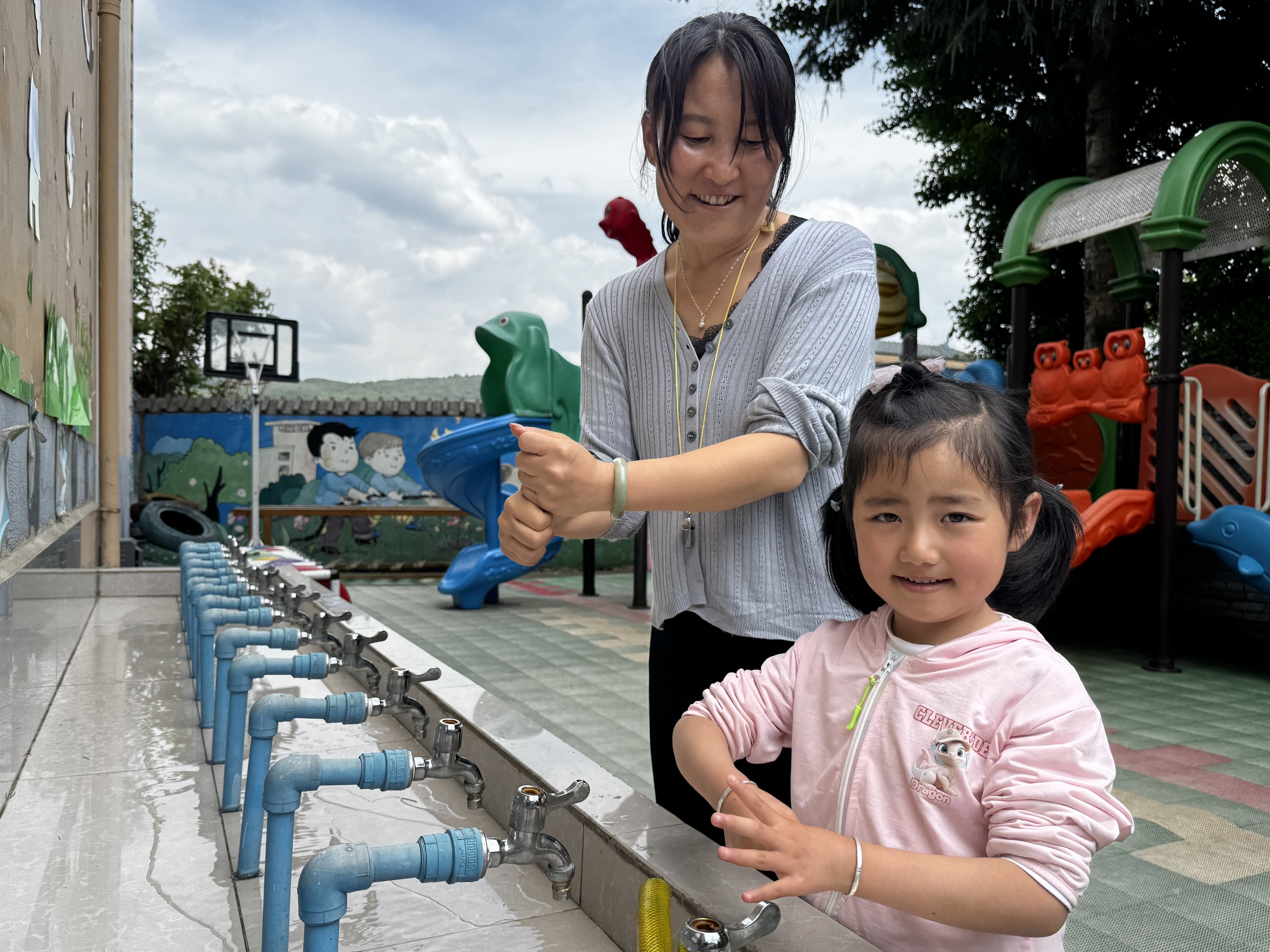 Restoring Reliable Water in Rural Yunnan